

Helpful Tips to Reduce Sodium
January 15, 2008 by Kitchen Table Medicine
Filed under Heart Disease, High Blood Pressure
 Sodium, a component of table salt, is a mineral found naturally in most foods. Everyone needs some sodium but most people get much more than they need.
In some people sodium causes water retention that leads to swelling. Besides the discomfort this may cause, it can lead to high blood pressure that increases the risk of heart attack, stroke, and kidney damage.
Decreasing the amount of sodium in the diet helps reduce extra fluid and swelling which allows the blood pressure to begin to return to normal. Most Americans should consume no more than 2.4 grams (2,400 milligrams) of sodium a day. That is about 1 teaspoon of table salt a day. For someone with high blood pressure, the doctor may advise less.
Tips to Reduce Salt and Sodium
- Buy fresh, plain frozen, or canned “with no salt added” vegetables.
- Use fresh poultry, fish, and lean meat, rather than canned or processed types.
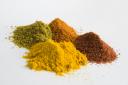
- Use herbs, spices, and salt-free seasoning blends in cooking and at the table.
- Cook rice, pasta, and hot cereal without salt. Cut back on instant or flavored rice, pasta, and cereal mixes, which usually have added salt.
- Choose “convenience” foods that are low in sodium. Cut back on frozen dinners, pizza, packaged mixes, canned soups or broths, and salad dressings – these often have a lot of sodium.
- Rinse canned foods, such as tuna and beans, to remove some sodium.
- When available, buy low- or reduced-sodium or no-salt-added versions of foods.
- Choose ready-to-eat breakfast cereals that are low in sodium.
Experiment with seasonings
- Thyme, sage, parsley, or Tabasco
- Basil, mint, bay leaves, or vinegar
- Oregano, rosemary, chilis, cayenne, or fresh tomatoes
- Saffron, curry, onions, or lemon juice
- Dill, fresh garlic, or dry mustard
- Fresh ginger, cumin, sesame seeds, tahini, or Vegit
**Consult with a medical doctor (MD) before using salt substitutes**
Foods to Avoid that are High in Sodium
Avoid the following high-sodium foods, or look for low-sodium or sodium-free versions.
- Meat, fish, poultry and other high-protein foods
- Salted or smoked meats and fish, bacon, ham, luncheon meats, sausage, salt pork, hot dogs, canned tuna, salmon, sardines, anchovies, meat and shrimp, Canadian bacon, corned beef, processed cheese, salted peanut butter, soy meat substitutes
Snack foods
- Potato chips, corn chips, pretzels, cheese doodles, salted nuts, salted crackers, salted popcorn, party dips, Gatorade
Vegetables
- Canned tomatoes, paste, sauce, and juice, olives, pickles and relishes, sauerkraut
- Convenience and processed foods
- TV and packaged dinner dishes, canned/frozen soups, commercial broth, Cup-a-Soup, gravy mixes, sauce mixes, stuffing, breaded entrees, bread mixes, dehydrated soups, bouillon cubes, instant and ready-to-eat cereals
Seasonings and condiments
- Garlic, onion, and celery salt, meat tenderizer, steak sauce, chili sauce, soy sauce, tamari, tartar, and barbecue sauce
- Commercial salad dressings, ketchup, seasoned salt substitutes, horseradish, prepared mustard, lemon pepper, and sea vegetables
Avoid added salt when cooking and eating out
- When a recipe calls for salt, cut the amount in half as a first step. Gradually reduce salt further as taste tolerance adapts.
- Be aware that restaurant food is often salty- choose dishes and restaurants that provide low-sodium options and/or eat out less often
NOTE: Some prescription, and over-the-counter medications do contain sodium that may contribute to increases in blood pressure. Ask a doctor or pharmacist for the names of specific medications that may be an issue.
Sources: U.S. Department of Health and Human Services, National Institutes of Health, Your Guide to Lowering Blood Pressure, 2003 & Swedish Heart Institute, A Patient’s Guide to Heart-Healthy Nutrition, 2002
 Dr. Nicole Sundene, NMD is a licensed Naturopathic Medical Doctor at Fountain Hills Naturopathic Medicine 16719 E Palisades Blvd, Suite 205, Fountain Hills, AZ 85268.
She believes we should utilize natural medicines to treat the root cause of disease rather than just treating symptoms, as symptoms are a message of imbalance sent from the body and will persist until they are properly addressed.
For appointments please visit http://FHnaturopathic.com for more information about Naturopathic Medicine services.
©KitchenTableMedicine.com, LLC ™


[...] consumption of caffeine, salt, sugar, and tap water; as elimination of all were shown in the research to provide significant [...]
I keep seeing a commercial that claims to eliminate or reduce sodium by ingesting a drink called “sure shot” or “power shot” however I can’t find this product in any store, nor can I find out anything about it on the internet. Has anyone else seen this commercial? Do you know the product name and where it is sold? Thank you for any help!
[...] Index Diet, The Anti-Inflammatory Diet, Kegels for Men, Cholesterol Lowering Diet, Hypertension, Low Sodium Diet, Antioxidants, Anti-Inflammatory Diet and subscribe to my feed as we discuss the therapeutic [...]
Yeah I have seen that commercial about that drink that eliminates sodium from the body. I just can’t find it anywhere online or in stores. I would appreciate it, if you guys could share the name of the product at least. Please e-mail at [email protected].
Thanks!!
[...] Tips on How to Lower Sodium Alternative Treatments for Hypertension [...]